
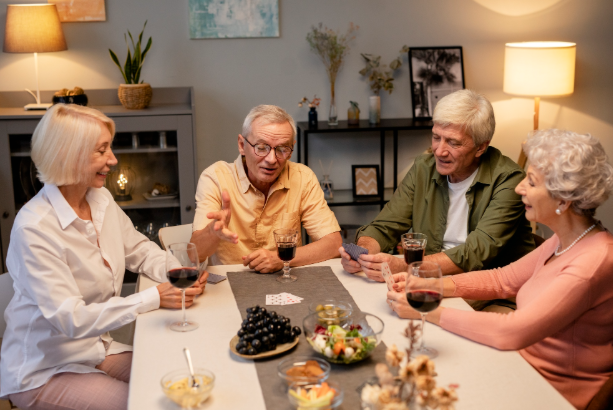
People experience loneliness after their retirement, which causes them to stay away from family and experience the death of their friends. The mental and physical health of people is negatively affected when they spend extended periods of time alone.
The growing need for senior living communities has made a vital option for elderly people. These communities enable seniors to receive comfort and care while maintaining social relationships. This helps to improve life satisfaction and well-being.
This article will walk you through how senior living helps reduce isolation in older adults:
A Strong Sense of Community
The primary advantage of senior living facilities lies in their ability to foster a communal atmosphere that connects residents. Older adults can easily establish friendships because they live among people who share their current life stage. Seniors benefit from close proximity to other residents, as they can spend time together throughout the day, including meals, walks, and group activities.
Common human interactions, through basic conversations and shared experiences, create a substantial human impact. Senior citizens find friendship within a community, creating a positive atmosphere for them.
Family Connections Become Easier
Numerous senior living facilities provide their residents with convenient options for maintaining family relationships. These centers offer comfortable visiting areas for family members, which they use to host family gatherings. The visiting spaces strengthen bonds between seniors and their family members.
Residents at LakeHouse Menomonee can participate in social events while their families visit them in their friendly community. The balance enables seniors to experience affection from their close ones while feeling a sense of belonging in their community.
Opportunities for Social Activities
Senior living communities provide their residents with numerous social events. These social events feature various activities, which include games and exercise classes, art sessions, and movie nights. The activities encourage elderly participants to remain active while continuing to participate in social events.
Attending social events helps people reduce their feelings of isolation. The daily schedule offers senior citizens activities that build anticipation and leads to better emotional states, fostering happiness and a sense of purpose.
Support from Caring Staff
The trained personnel who work at senior living facilities provide essential services to residents. They provide support for basic needs, medical requirements, and emotional companionship. The staff presence provides seniors with a sense of being cared for and esteemed by others.
Friendly staff members build strong relationships with residents through their approachable nature. Even the smallest gestures, such as smiling at someone or starting a conversation, help reduce their feelings of loneliness.
Improving Mental and Emotional Health
Reducing isolation improves mental health. Seniors who maintain their social connections through active participation in social activities experience lower rates of depression and anxiety. People who engage in regular social contact experience better overall health. Because their minds remain active during social interactions.
People experience both happiness and a sense of purpose through their connections with others. The relationship also motivates seniors to engage in regular exercise, leading to better health outcomes.
Conclusion
Senior living communities play an important role in helping older adults stay socially connected and emotionally supported. By offering a strong sense of community, easier family interactions, engaging activities, and compassionate staff, these environments reduce the loneliness that many seniors experience later in life. When older adults feel included and valued, their mental and emotional well‑being improves, allowing them to enjoy a more fulfilling and meaningful quality of life.