
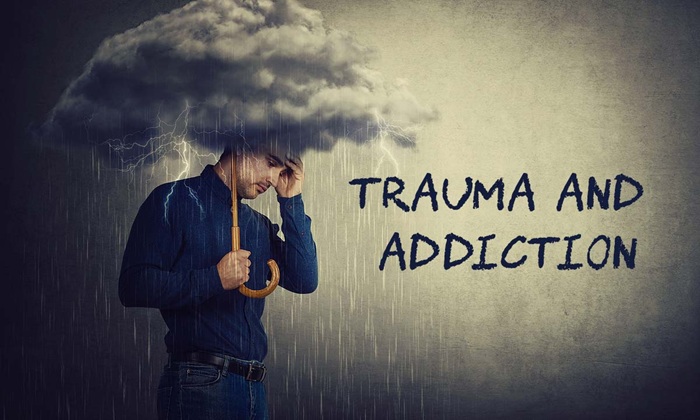
Addiction is commonly believed to be born out of a certain drug. Alcohol. Pills. Heroin.
However, in most cases, it arises from suffering.
Not necessarily from physical pain – though that is important as well. From emotional pain, resulting from experiences that make a lasting impression. Physical or sexual abuse. Violence in a relationship. Losing a loved one unexpectedly. Experiencing a major shock. Having lived in an unsafe home environment for years.
The link between trauma and addiction is strong. Indeed, there is consistent scientific evidence that a considerable percentage of addicts have suffered from trauma in their life. The two, however, are often addressed separately – hence the reason for repeated relapses among recovering addicts.
What Is Trauma, Really?
However, a traumatic experience doesn’t only comprise one significant event. Trauma can be described as any event that has such an impact on you that it makes you feel helpless, unsafe, or different at your core level.
The term “trauma,” also known as “capital T,” refers to big, more obvious events such as rape, war, natural calamities, or major accidents. Nonetheless, there are small traumas that are equally important; for instance, being emotionally neglected during childhood, growing up in an environment where your parent suffered from addiction or mental illness.
How Trauma Leads to Addiction
Here’s where the relationship makes sense.
An untreated trauma response keeps the nervous system on edge. The brain is always looking for danger. It’s hard to sleep. Emotions feel like too much. Simple things may make a person feel terrified, shamed, or enraged.
Substances provide a quick fix to get away from everything.
Alcohol calms an overly active nervous system. Opioids dull emotional suffering just as well as physical. Stimulants allow temporary energy and control that a person recovering from trauma longs for. Cannabis quiets the mind.
This is not a sign of weakness. This is the brain acting just as intended – trying to cope with the excruciating discomfort. Unfortunately, it provides only temporary relief and creates actual dependence in the process.
With continued use, the drug itself is the only way to get by. Other methods of coping disappear. This person is not just dealing with the aftereffects of trauma anymore; they have an addiction as well.
If this sounds like something you or a loved one are experiencing, a specialist can help. Learn more about how HARP Private Rehab deals with trauma and addiction together.
Why Treating One Without the Other Fails
This is where the majority of conventional treatments fail.
If one addresses the addiction but doesn’t deal with the underlying issue of trauma, what will happen is that they will cleanse themselves from the drug, but will leave all the pain behind. Thus, after rehab, the patient becomes sober but reenters the psychological realm that motivated them to seek out the substance.
Before long, the urges come back. Not because the individual isn’t strong enough. But because their mind hasn’t changed.
The opposite scenario is also possible. Therapy for trauma without the necessary treatment for addiction can become dangerous. When one explores the traumatic past, many powerful emotions arise. If there is no proper medical setting in which it happens, substances seem even more indispensable than before.
This combination of treatment for addiction and trauma simultaneously is called dual diagnosis therapy.
What Trauma-Informed Addiction Treatment Looks Like
This is why at facilities like HARP Rehab; treatment is guided by a single philosophy – a philosophy which dictates that there can be no separation between a patient and their past.
Every individual who comes to a facility will have a story – a story that dictates everything else – from their substance abuse choices, their addiction triggers, the difficult relationships, and their self-concepts. In trauma-based treatment, this story plays a key role in dictating the overall course of treatment.
Here are some of the things that it involves:
A comprehensive clinical assessment. Prior to treatment, a licensed psychotherapist or psychologist will evaluate the patient’s background – including their traumatic experiences, their mental condition, familial issues, and substance abuse pattern.
Evidence-based trauma treatments. Interventions such as EMDR, TF-CBT, and psychodynamic therapy aid clients in their processing of trauma-related memories in a safe manner. This is far from superficial conversation. It goes beyond, in the right clinical setting.
Addiction-specific support running in parallel. Detoxification, counseling specific to addiction treatment, relapse prevention techniques, and psychoeducation around how substances impact brain chemistry all go hand-in-hand with the trauma work. This is not a second priority.
Somatic and holistic therapies. Trauma does not solely exist within the psyche. Somatic practices like mindfulness, yoga, breath-work, massage, and equine therapy help individuals regulate their nervous systems in a way that talk therapy alone cannot. This is not an added extra — these methods have real clinical value.
A protected space. Those who have experienced trauma have difficulty feeling safe. The importance of a protected environment cannot be overstated. Private spaces, nature settings, consistent and nurturing daily schedule, as well as caring staff all play an important role in creating a sense of safety.
The Role of Shame in Keeping People Stuck
Another thing which is never talked about openly is shame.
Survivors of trauma are usually very ashamed – of what has happened to them, of their reactions to the events, of who they have turned into after going through the experience. In addition, they feel ashamed of being addicted.
The sense of shame is one of the factors preventing them from reaching out for help. People tend to feel like there is nothing left to do to change things. Like they don’t even deserve any treatment because they let people down before.
HARP Rehab takes care of this problem. The whole program is created in such a way that no judgments are made about clients. They are treated not as an addict or as a survivor of some kind of trauma.
What Recovery Actually Looks Like for Trauma Survivors
Recovering from both trauma and addiction is not always easy or smooth. There are going to be hard days where the same emotions come up, when urges feel stronger than ever, and when the past seems closer than ever before.
However, with the proper framework, these days become easier to deal with, and then less and less common.
Those who have experienced an integrated form of trauma and addiction therapy talk about something other than sobriety. It is about feeling truly safe inside their skin, for perhaps the first time since they were children. Sleeping soundly. Being fully present around those who they care about. Examining their history without being overwhelmed by it.
This is real recovery. Not simply sobriety. Transformation.
You Do Not Have to Understand It All to Take the First Step
If you’ve been using drugs or alcohol because you don’t fully comprehend your pain, you are not alone. Many clients who attend HARP Rehab have no real idea of how events from their past led them here.
This is where the clinical team comes into the picture. No prior analysis of how things connect is required for you to contact us.
What is needed is your readiness to take a new approach to dealing with your pain.
HARP Rehab provides free-of-obligation, confidential assessments. The consultation will be private, sympathetic, and non-judgmental. After that, the staff creates a treatment plan tailored specifically for your circumstances.
The connection between trauma and substance abuse can go unrecognized — but it doesn’t have to. With HARP Rehab’s help, it will turn into an issue that you can deal with.
It’s not about erasing the traumatic experience; it’s about moving beyond it.