
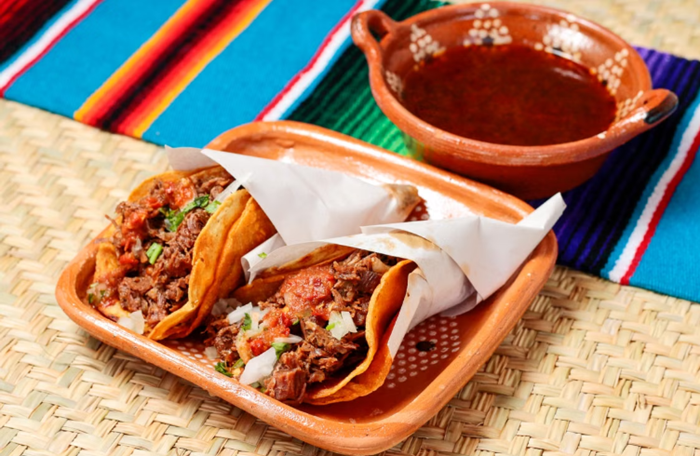
A tortilla warming on a griddle, fruit stacked at a market stall, and a bakery tray fresh from the oven reveal different sides of the capital. This Mexico City food guide for first-timers gives you a starting point in a city where the next meal can feel like an overwhelming choice. Begin with a few dishes and neighborhoods, then follow your curiosity.
Leave some room in the itinerary before you even compare affordable flights to Mexico City. A market lunch can become a long conversation, and a walk between meals can introduce you to a neighborhood you would otherwise miss. Plan a few meals in advance and leave the rest flexible.
Street food essentials and how to order
Mexico City street food offers an introduction to corn, chiles, slow-cooked fillings, and the skill of preparing food to order. Start with a small portion so you can discover what you like.
- Tacos al pastor: marinated pork cooked on a vertical spit, sliced into small tortillas, often with pineapple. Start with “Dos de pastor, por favor” for two tacos, and specify any toppings you want left off.
- Tamales: steamed corn dough with savory or sweet fillings, wrapped in corn husks or banana leaves. Ask “¿De qué hay?” to find out the available fillings; green salsa with chicken and sweet versions are common options.
- Esquites: cooked corn kernels served in a cup, often with mayonnaise, cheese, lime, and chile. Ask for “Un vaso de esquites” and tell the vendor which toppings you want.
- Quesadillas: folded tortillas filled with ingredients such as mushrooms, squash blossoms, or huitlacoche. In the capital, cheese is not automatic: request “Con queso” if you want it.
The filling and the salsa contribute different kinds of flavor and heat. Ask “¿Pica?” before choosing, and request salsa separately when possible. A red or green color tells you little about how hot a particular preparation will be.
Two markets worth making time for
Mexico City food markets are places to eat, shop, and see the ingredients behind restaurant menus. These two belong on different days, with time to explore their surrounding neighborhoods.
Coyoacan for tostadas and a neighborhood afternoon
At Coyoacan Market, tostadas are a starting point: crisp tortillas piled with toppings such as chicken tinga or cooked mushrooms. Choose a cooked filling you enjoy and ask about the garnishes. After lunch, continue toward the neighborhood’s plazas and tree-lined streets rather than rushing back across town.
San Juan for specialty ingredients
San Juan’s Ernesto Pugibet market, near the historic center, brings together produce, seafood, specialty meats, imported ingredients, and cheese counters. Bread with pasteurized cheese offers one option for a small bite while you browse. Ask vendors about unfamiliar ingredients and confirm the address when navigating: the San Juan name is used for more than one market.
Sit-down meals, from fondas to modern kitchens
A fonda is a small, informal restaurant where the comida corrida, a changing set meal, often brings soup, rice or another starter, and a choice of main dish. Ask for the day’s menu and what each course includes. It is a chance to try the kinds of guisados, or cooked dishes, that also appear in everyday home cooking.
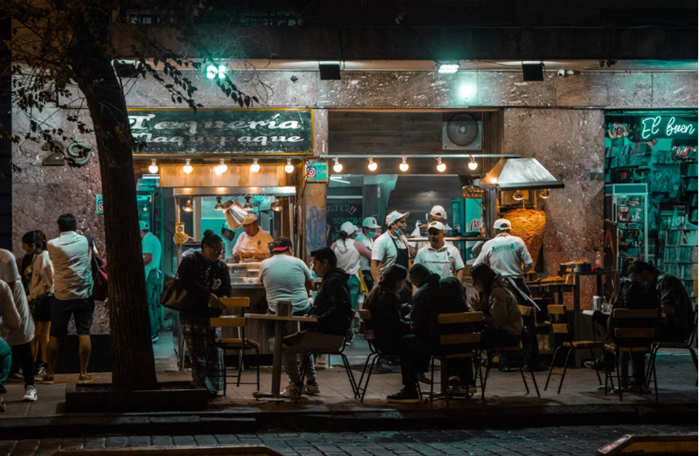
Contemporary Mexican restaurants may explore the same ingredients through seasonal menus, regional techniques, and different presentations. Reserve directly through the restaurant’s official channel, confirm whether the booking is for a tasting menu or à la carte, and share dietary needs in advance. Keep some space between a substantial lunch and a planned dinner.
The best food in Mexico City can mean a carefully prepared bowl in a fonda or an ambitious restaurant meal. Include both kinds of experience if they interest you, and choose places for what you want to taste.
Drinks and something sweet
Aguas frescas combine water with fruit, flowers, seeds, or grains. Jamaica is made from hibiscus; horchata commonly uses rice and cinnamon; tamarind brings a tart flavor. Ask which varieties are available and how the water and ice are prepared before ordering.
Mezcal introduces another set of flavors, from herbal and fruity notes to roasted ones. A small guided tasting can explain the agave and production behind the spirit. Sip slowly, order food, and decide how you will get back to your accommodation before the evening begins.
For a bakery stop, try a concha, named for its shell-patterned topping, or another piece of pan dulce with coffee. Many traditional bakeries use trays and tongs for customers to select pastries before paying. Churros with hot chocolate offer a different sweet pause, especially after an evening walk.
Simple habits for safer eating
The CDC’s food and water guidance favors fully cooked food served steaming hot and water from a safe source. Apply the same care to restaurants, markets, and street stalls.
- Choose food cooked through and served hot: avoid dishes sitting lukewarm and raw or undercooked meat and seafood.
- Be selective with raw additions: when preparation hygiene is uncertain, skip raw garnishes, salads, and uncooked salsas; choose fruit you can peel yourself.
- Check drinking water: use sealed bottled water or adequately treated water. Have drinks without ice unless you know it was made with safe water.
- Clean your hands before eating: use soap and water, or alcohol-based sanitizer when washing is unavailable.
A three-day eating itinerary and arrival plan
When reviewing flights to Mexico City, confirm the arrival airport and transfer to your accommodation. Leave the first meal flexible so you can settle in before heading out.
Day one in the historic center
Begin with a bakery breakfast, visit San Juan, and make lunch your main sit-down meal. Walk around Alameda Central or the streets near Bellas Artes between stops, then choose a modest taco order for dinner.
Day two in Coyoacan
Allow the day for the southern neighborhood, with the market as your lunch anchor. Combine it with a plaza walk or a museum visit, checking any admission reservations separately. Keep the evening close to your accommodation.
Day three in Roma and Condesa
Explore these neighboring areas on foot, stopping for coffee and pastries before a fonda lunch. If a contemporary restaurant is a priority, reserve dinner here and leave the afternoon open rather than adding another full food tour.
Frequently asked questions
What is huitlacoche?
It is an edible fungus that grows on corn, valued for its earthy flavor. You may find it in quesadillas, soups, sauces, or restaurant dishes.
What does “buen provecho” mean?
It is a friendly expression similar to “enjoy your meal.” If someone says it as you eat, “Gracias” is a natural reply.
How do I ask for the check?
Say “La cuenta, por favor.” In sit-down restaurants, asking when you are ready is common; you can also confirm whether card payment is available before ordering.
Let your appetite lead you through the city
Use this Mexico City food guide for first-timers as a starting point, then make space for the dish or neighborhood that catches your attention. A few thoughtful choices, time between meals, and curiosity about what is on the plate can turn eating into the most memorable part of getting to know the capital.