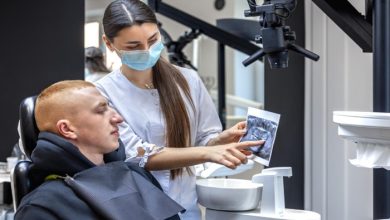
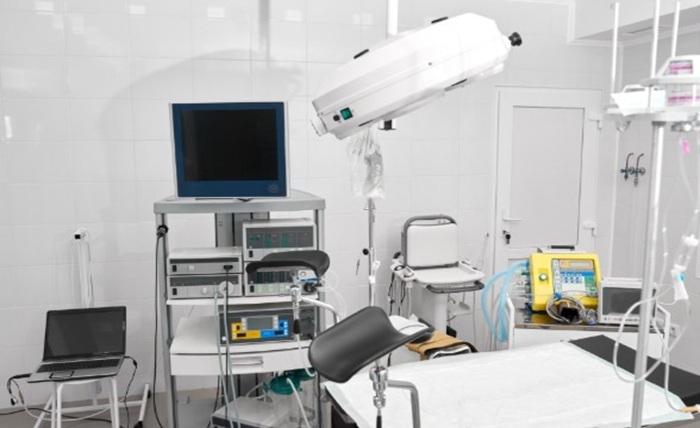
Running a clinic or hospital involves more than patient care. It also requires reliable equipment that supports diagnosis, treatment, and daily operations. GB Nxt provides medical equipment financing to help healthcare providers manage the cost of essential technology and operational tools more effectively. From imaging machines to basic monitoring tools, these assets are essential but often come with high upfront costs. In Singapore, many healthcare providers turn to financing options to manage these expenses more effectively.
Medical equipment financing allows clinics and hospitals to access the tools they need without placing too much pressure on their cash flow. Instead of paying a large amount upfront, costs are spread over time in a structured way.
What Medical Equipment Financing Means
Medical equipment financing refers to funding arrangements that allow healthcare providers to acquire equipment through instalment payments, leases, or loans.
Rather than purchasing equipment outright, the provider works with a financial institution or specialised lender to cover the cost. The clinic or hospital then repays the amount over an agreed period.
This approach makes it easier to invest in necessary equipment while maintaining financial stability.
Types of Financing Options Available
There are several types of financing commonly used in healthcare settings. One of the most common is equipment loans, where the business owns the equipment after completing payments.
Leasing is another option, where the equipment is used for a fixed period without full ownership. Some leases also offer the option to purchase the equipment at the end of the term.
Hire purchase agreements are also used, combining elements of both loans and leasing, allowing ownership after the final payment.
Each option has its own structure, and the choice depends on budget, long-term plans, and equipment usage.
Why Clinics and Hospitals Use Financing
One of the main reasons is cost management. Medical equipment can be expensive, and paying up front may limit cash flow needed for other operations.
Financing spreads costs over time, making it easier to manage expenses while still accessing necessary tools.
It also allows healthcare providers to upgrade equipment more easily. Instead of being tied to older machines, financing options can support regular updates to newer technology.
Benefits of Medical Equipment Financing
Financing provides immediate access to equipment without a large capital investment. This is especially useful for new clinics or expanding facilities.
It also improves cash flow management, allowing funds to be used for staffing, operations, or other business needs.
Another benefit is flexibility. Different financing options allow businesses to choose terms that suit their financial situation.
In some cases, financing may also offer tax advantages, depending on local regulations and structure.
What to Consider Before Choosing Financing
Before selecting a financing option, it is important to evaluate the total cost over time. While monthly payments may seem manageable, the overall cost may be higher than paying up front.
Interest rates and repayment terms should be reviewed carefully. Understanding these details helps avoid unexpected financial strain later.
It is also important to assess how long the equipment will be used. If the equipment becomes outdated quickly, a flexible financing option may be more suitable than long-term ownership.
Common Mistakes to Avoid
One common mistake is focusing only on monthly payments without considering the total cost of financing.
Another mistake is choosing financing without understanding the terms and conditions, including penalties or additional fees.
Some providers also overlook maintenance and servicing costs, which are separate from financing but still important for budgeting.
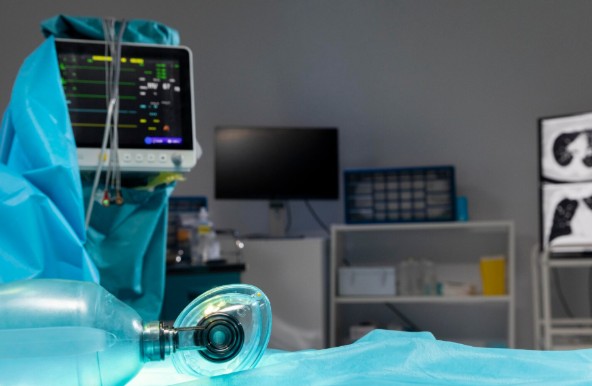
How Financing Supports Growth
For growing clinics and hospitals, financing plays a key role in expansion. It allows businesses to invest in new equipment without delaying growth due to limited capital.
This is especially important in healthcare, where updated technology can improve patient care and operational efficiency.
By managing costs effectively, financing supports both immediate needs and long-term development.
Conclusion
Medical equipment financing is a practical solution for clinics and hospitals looking to balance cost and capability. It allows healthcare providers to access essential equipment while maintaining financial flexibility.
In Singapore, where healthcare standards are high and technology evolves quickly, financing helps ensure that facilities remain well-equipped without overextending their budgets.
FAQs
What is the main benefit of medical equipment financing?
It allows healthcare providers to access equipment without paying the full cost upfront.
Do I own the equipment after financing?
It depends on the type of financing. Loans and hire purchase usually lead to ownership, while leases may not.
Is financing better than buying outright?
It depends on your financial situation and how often you upgrade equipment.
Can small clinics use equipment financing?
Yes, financing options are available for clinics of different sizes.