
The health changes many people struggle to explain clearly
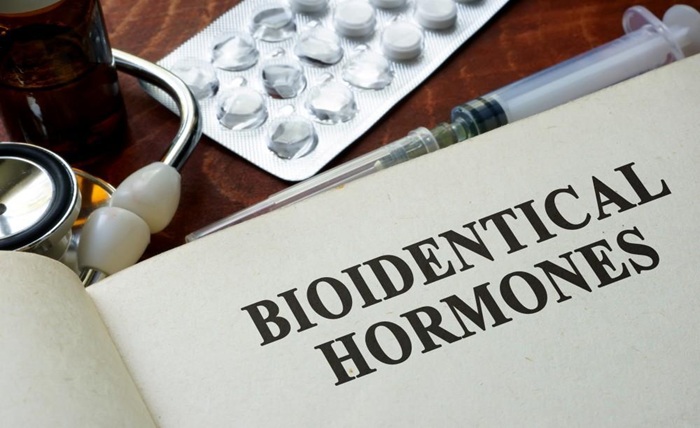
Some wellness concerns are difficult to describe out loud. A person may sleep through the night and still wake up exhausted. Another may feel emotionally drained for no obvious reason. Small frustrations become harder to manage. Focus weakens. Motivation shifts. These changes often occur gradually, making them easy to dismiss at first. Many adults spend years assuming stress or aging must be responsible for every symptom. Today, more wellness conversations are centered on hormone balance and how it affects daily life far beyond energy alone. Many personalized care plans are now developed around Bioidentical Hormone Replacement Therapy because hormones influence sleep, mood, metabolism, focus, and overall wellness in surprisingly connected ways. People are asking more informed questions than ever before.
This article takes a practical approach to understanding hormone support without making unrealistic promises. You will learn how hormone changes may affect both men and women, why personalized care matters, and how treatment plans are commonly monitored over time. Some readers expect hormone therapy discussions to feel intimidating or overly technical. That assumption often stops people from exploring the topic further. Clear information creates better health decisions and less confusion overall. You may even recognize certain symptoms or patterns from your own routine while reading this guide. That happens often because hormone-related changes rarely appear dramatically overnight. The purpose here is not to promote impossible wellness goals or trendy shortcuts. It is about helping people understand how balanced care, consistent habits, and proper monitoring may support steadier energy, clearer thinking, and improved quality of life in realistic ways.
Why hormone balance affects everyday wellness more than expected
Hormones influence many systems of the body simultaneously. Energy levels, sleep quality, mood stability, metabolism, concentration, and recovery are all closely connected with hormone activity. When those levels shift, people may begin noticing symptoms that feel confusing or unrelated at first. One person may struggle with brain fog during work. Another may feel emotionally overwhelmed during ordinary situations. These changes often build gradually rather than arrive suddenly, making them easier to overlook.
Several common signs are frequently linked to hormone imbalance:
- Ongoing fatigue throughout the day
- Difficulty concentrating on simple tasks
- Mood swings or irritability
- Poor sleep quality during the night
- Reduced motivation for physical activity
Many adults blame themselves before considering hormones as a possible factor. Let’s be honest: most people aren’t taught how deeply hormones influence daily wellness until symptoms become hard to ignore. That lack of awareness often delays important conversations about long-term health support. Paying closer attention to consistent patterns rather than isolated bad days may help people better understand what their bodies have been quietly communicating over time.
How personalized treatment plans support more balanced results
Bioidentical hormone therapy plans are usually tailored around individual symptoms, lifestyle habits, and medical evaluations instead of generic routines. Providers often review blood work, health history, sleep habits, and wellness goals before recommending treatment options. That careful process matters because people experience hormone changes differently. Some people struggle more with fatigue. Others notice greater emotional or metabolic changes first. Personalized support often creates more stable long-term outcomes.
Several factors commonly shape treatment management over time:
- Routine monitoring: Blood testing helps providers safely track hormone levels. Follow-ups often guide future treatment adjustments.
- Daily habits: Sleep quality, stress levels, and nutrition continue to affect wellness during therapy. Healthy routines still matter greatly.
- Physical movement: Regular activity naturally supports energy, recovery, and metabolism. Exercise does not need to feel extreme.
- Symptom tracking: Providers often regularly review emotional and physical changes. Small details help improve treatment balance.
Some people expect a dramatic overnight transformation once therapy begins. Most meaningful improvements happen more gradually than internet success stories suggest. Better wellness usually develops through consistency instead of quick fixes. Reliable care often focuses on helping people feel more stable physically and mentally over time rather than chasing unrealistic results immediately.
What feeling more balanced may look like over time
The first signs of progress are often subtle. Many people notice steadier energy, improved sleep, or better concentration before larger physical changes appear. Those smaller improvements can still affect daily life in meaningful ways. Better focus at work, calmer moods, and healthier routines often gradually improve overall confidence. Hormone support works best when paired with realistic lifestyle habits instead of replacing them completely.
We believe wellness conversations should feel approachable, informed, and free from unnecessary pressure or confusion. Too many people spend years normalizing symptoms that quietly affect their quality of life every day. Learning more about hormone balance may help individuals feel more confident in exploring support options that align with their personal health goals. Whether someone decides to begin treatment now or simply starts paying closer attention to long-term wellness patterns, understanding available care creates a stronger path forward. Sometimes, a better balance begins not with a dramatic change but with finally recognizing that persistent symptoms deserve thoughtful attention instead of constant dismissal.