You might be feeling caught between curiosity and doubt right now. Maybe you have seen before and after photos, heard friends talk about non surgical fat reduction, or scrolled past ads for an aesthetic clinic Newtown PA or body contouring devices that promise a smoother shape without surgery. It sounds appealing, yet a small voice in your head keeps asking, “What is this heat actually doing to my fat cells? Is it safe? Where does the fat even go?”end
That mix of interest and unease is very common. You want to feel better in your body, but you also do not want to gamble with your health or waste money on something that only works in marketing copy. Because of this tension, you might wonder how to separate science from hype and how to know what questions to ask before you agree to any treatment.
Here is the short version. Modern body sculpting devices use controlled energy such as heat, cold, or focused ultrasound to damage fat cells, which your body then clears through natural processes including the lymphatic system. Some technologies have solid research and clearance from the U.S. Food and Drug Administration, while others are more marketing than medicine. When you understand how heat affects fat cells, how lymphatic drainage fits in, and what risks exist, you can make a calmer, more confident decision about whether non invasive body contouring is right for you.
What is really happening when a device heats your fat cells?
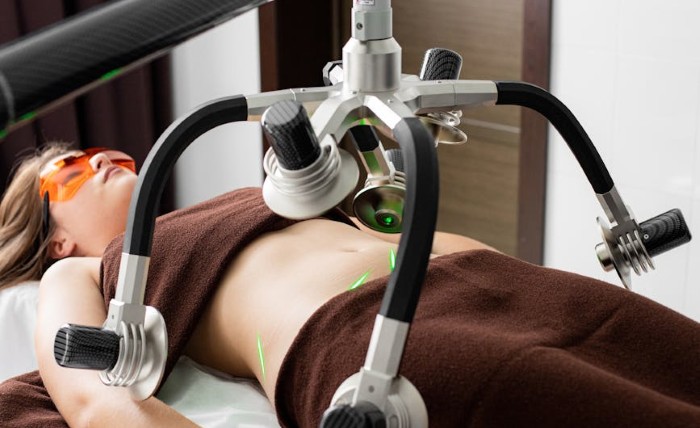
Non invasive body contouring may sound very high tech, yet the basic idea is simple. Fat cells are more sensitive to certain types of energy than skin, muscle, or nerves. When a device delivers carefully controlled heat, cold, or mechanical energy to a targeted area, it tries to injure fat cells just enough that they break down over time, while the surrounding tissues stay mostly unharmed.
You may have seen terms like radiofrequency, high intensity focused ultrasound, or laser lipolysis. Each of these delivers energy in a different way. The U.S. Food and Drug Administration explains several of these non invasive body contouring technologies on its page about non invasive body contouring devices. In plain language, most heat based devices raise the temperature of the fat layer to a point where fat cells are stressed and begin to die, a process sometimes called apoptosis.
So where does that leave you as a patient? You might lie on a treatment bed, feel warmth or strong heat for a set period, and then walk out with your body looking exactly the same that day. The change is delayed, because your body needs time to clear the damaged fat cells. That is where lymphatic drainage enters the picture.
How does the lymphatic system clear damaged fat cells?
After a body sculpting session, your body treats the injured fat cells as waste. Your immune system sends in cleanup cells, which break down the fat cell contents. Those breakdown products move through your lymphatic system, which is a network of vessels and nodes that helps remove waste and excess fluid from tissues.
Think of the lymphatic system as a slow, quiet cleaning crew. It does not work instantly. Over weeks to months, it helps carry away the remnants of those damaged fat cells so your body can process them. Some providers add manual or mechanical lymphatic drainage techniques after treatments, hoping to support this natural flow. While gentle lymphatic massage may reduce temporary swelling, the core clearing process still depends on your own biology and time.
Research on body contouring and fat reduction, such as the review available through the National Institutes of Health at this clinical article on non invasive body contouring, shows that results usually appear gradually across several weeks. This slow change can actually be reassuring. It means your body is doing the work through normal metabolic pathways, instead of experiencing a sudden shock.
What are the real problems people run into with body sculpting devices?
The technical side tells only part of the story. The emotional and financial side can feel just as heavy. One common problem is expectation. Advertisements often show dramatic results, yet most non surgical body contouring treatments produce modest fat reduction. If you expect a surgical level change from a non surgical tool, you are almost guaranteed to feel disappointed, even if the treatment technically “worked.”
Another challenge is cost. Packages can run into the thousands, especially when you are encouraged to treat multiple areas or sign up for several sessions. If you are already feeling self conscious about your body, it is easy to say yes out of hope, without fully grasping that the change might be subtle and not permanent if lifestyle habits stay the same.
Safety concerns add another layer. Devices that use heat or cold can cause burns, nerve changes, or uneven fat loss if used incorrectly. The FDA maintains an overview of aesthetic and cosmetic devices that can help you see which technologies have been cleared for specific uses. Clearance does not mean zero risk. It means the device was evaluated for particular uses under certain conditions. Real life can be messier, especially in poorly trained hands.
So where does that leave you? You might be weighing the desire to feel more at home in your body against the fear of spending money on something that feels uncertain or unsafe. That tension is exactly why slowing down and asking better questions is so important.
How do different body sculpting options compare in real life?
To make this more concrete, it helps to compare common non invasive fat reduction approaches with doing nothing or focusing on lifestyle changes alone. This is not about pushing you in one direction. It is about giving you a clearer map so you can choose with open eyes.
| Option | What it does | Typical change | Time to see results | Key risks or downsides |
|---|---|---|---|---|
| Heat based body contouring (radiofrequency, laser) | Uses controlled heat to damage fat cells in targeted areas | Small reduction in fat thickness, subtle reshaping | 4 to 12 weeks, often multiple sessions | Discomfort, burns, uneven results, cost of repeated treatments |
| Cold based fat reduction (cryolipolysis) | Freezes fat cells so the body gradually clears them | Noticeable but limited fat reduction in treated spots | 2 to 4 months | Temporary numbness, rare paradoxical fat growth, cost |
| Ultrasound based sculpting | Uses focused sound energy to disrupt fat cells | Modest reduction in specific pockets of fat | 6 to 12 weeks | Pain during treatment, swelling, uneven contour |
| Lifestyle changes only | Nutrition, movement, sleep, stress support | Overall body fat reduction, health benefits | Gradual, depends on consistency | Requires ongoing effort, may not target one “trouble spot” |
When you see these options side by side, you can notice a pattern. Non invasive body sculpting treatments are usually best for fine tuning, not total transformation. They work with your body’s systems, including the lymphatic system, over weeks. They are not a replacement for general health habits. For many people, the best results come from combining realistic expectations, a supportive lifestyle, and careful selection of a technology that fits their situation.
Three practical steps before you say yes to any body sculpting treatment
- Ask exactly which device will be used and how it works
Do not be shy about this. Ask for the brand and model of the device. Ask whether it uses heat, cold, ultrasound, or something else. Then ask if it has FDA clearance for body contouring and for which body areas. You can cross-check what you hear with the FDA’s pages on non-invasive contouring technologies. A reputable provider will welcome your questions and explain in plain language how the treatment affects fat cells and how your lymphatic system will handle the aftermath.
- Clarify realistic results, not ideal ones
Before your first session, ask the provider what an honest, average outcome looks like for someone with your body type. Ask to see unedited before and after photos of patients with similar starting points, taken at consistent angles and lighting. Ask how many centimeters or what percent reduction is typical, not just “you will see a big difference.” This helps you decide whether the expected change is worth the time, cost, and temporary discomfort.
- Support your body’s natural clearing systems
Since your lymphatic system and metabolism are responsible for clearing damaged fat cells after non-surgical body sculpting, you can focus on habits that support them. Stay well hydrated before and after treatments. Maintain gentle movement like walking to keep circulation and lymph flow active. Aim for enough sleep so your body can manage repair processes. If your provider suggests lymphatic massage, ask what evidence they rely on and how they tailor it to your health history. Small, consistent steps often do more than expensive extras.
Finding a calmer way forward with body contouring choices
If you are still reading, you probably care a lot about doing this the right way, not the rushed way. You want to feel more comfortable in your own skin, yet you also want to protect your health and your wallet. That care already puts you ahead of many people who say yes out of pressure or impulse.
Body sculpting devices are tools. Used thoughtfully, with clear expectations, they can offer gentle reshaping over time. Used carelessly, they can create disappointment or even harm. When you understand how heat affects fat cells, how your lymphatic system quietly carries away the debris, and what research and regulators like the FDA actually say, you reclaim some control in a space that often tries to sell quick fixes.
You do not have to decide today. You can take this information, write down your questions, and bring them to any consultation you schedule. You can ask providers to slow down, explain the science, and respect your pace. Your body, your money, and your peace of mind all matter. You are allowed to choose only what truly feels safe, sensible, and aligned with your goals.